Power distribution networks: a central element in decarbonisation of the electricity system
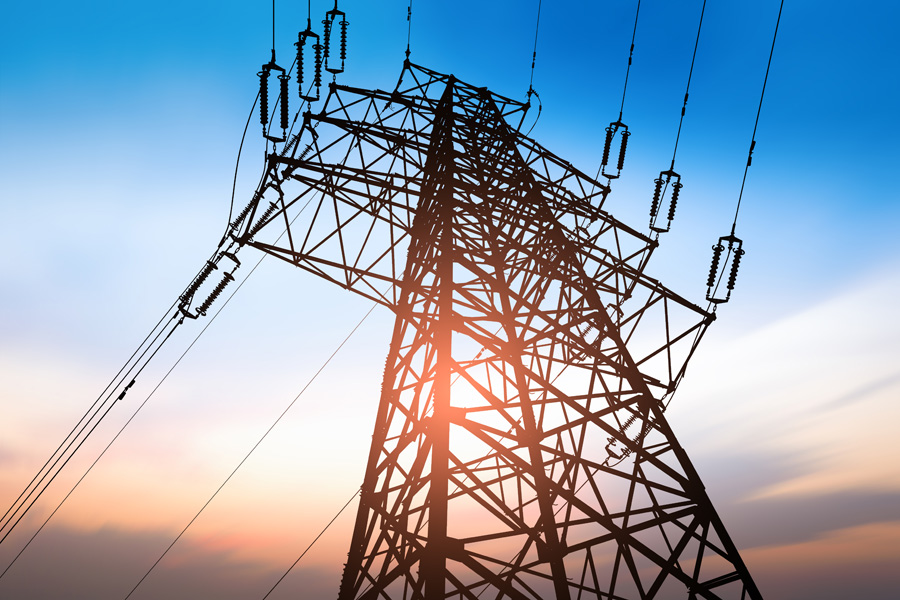
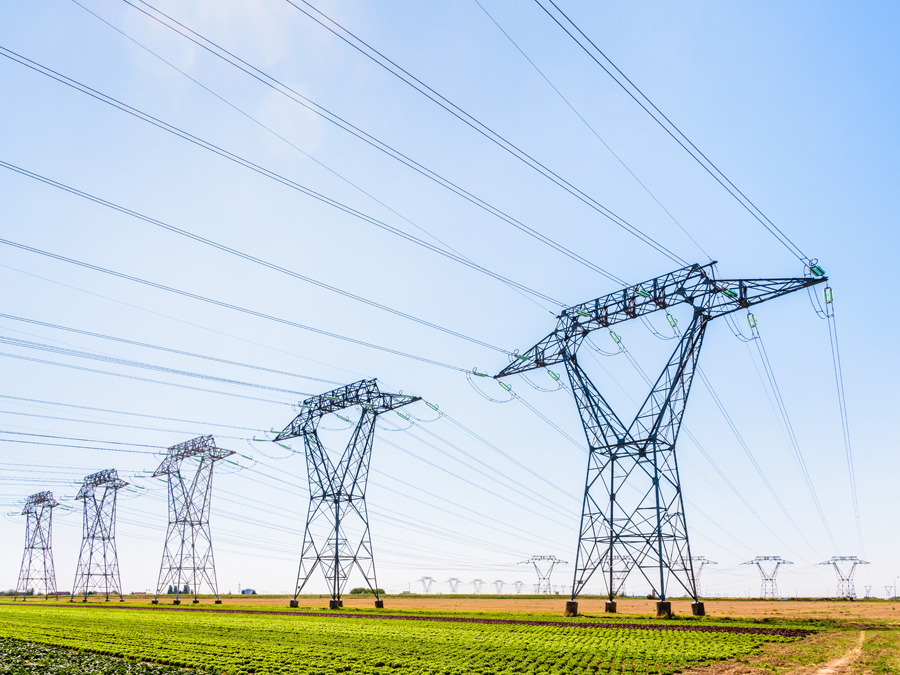
Power distribution networks are the infrastructures used to carry electricity from generating centres (power stations and distributed generation) to end consumers (homes, businesses and industries). It is important to distinguish between transmission networks, which transfer large volumes of energy at high voltage between power plants and transformer substations, and distribution networks which operate at a lower voltage, bringing electricity to the end users from the substations. These networks are essential to ensuring a secure and continuous electricity supply, incorporating renewable energies and making progress in the transition towards a decarbonised economy.
By law, the only company responsible for running the high voltage electricity transmission grid and operating the national electricity system is Red Eléctrica de España, which is owned by Redeia Corporación S.A.
The distribution networks, on the other hand, are managed by private companies, whose market is regulated and allocated by geographic zones. There are five major distributors which between them cover most of Spain, as well as around 300 small local distributors.
La energía nuclear destaca por su alta capacidad de generación continua sin emisiones directas de CO₂, lo que la convierte en una aliada para la descarbonización y la estabilidad del suministro. Sin embargo, sus inconvenientes incluyen la gestión de residuos radiactivos, riesgos en caso de accidentes y elevados costes de construcción y desmantelamiento, factores que requieren estricta regulación y avances tecnológicos.
- • E-Distribution (Endesa)
- • i-DE Redes Inteligentes (Iberdrola)
- • UFD Distribución (Naturgy)
- • E-Redes (EDP)
- • Viesgo Distribución (Repsol)
Types of network by voltage:
- • High voltage (HV):
- Over 36 kV. Normally between 66 kV and 220 kV for regional transmission and over 220 kV for national transmission and international interconnections, these networks connect large centres and substations.
- • Medium voltage (MV):
- Between 1 kV and 36 kV, these networks distribute energy to urban and industrial areas and large consumers.
- • Low voltage (LV):
- o Less than 1 kV. Usually between 230 V and 400 V for domestic supply, they deliver power directly to the users.
The networks also include substations, where the voltage is reduced for domestic or industrial consumption, ensuring quality and safety.
The main legislation relating to electrical networks is as follows:
- • The 2013 Power Industry Act (Act 24, 26 December 2013).
- • Royal Decree 1183/2020, of 29 December 2020, on access and connection to the electricity transmission and distribution networks.
- • Royal Decree 314/2023, of 25 April 2023, establishing the procedure and requirements for granting administrative authorisation for closed electricity distribution networks.
- • Circular 1/2021, dated 20 January 2021 from the National Commission for Markets and Competition, which sets out the methodology and conditions for access and connection to the transmission and distribution networks by power production facilities.
- • Circular 1/2024, of 27 September 2024, from the National Commission of Markets and Competition, which sets out the methodology and conditions for access and connection to the transmission and distribution networks of power demand facilities.
- • Royal Decree-Law 7/2025, of 24 June 2025, approving urgent measures for reinforcement of the electricity system, amending Royal Decree 1183/2020, of 29 December 2020.